Childcare 101: What to Look for in a Quality Thornhill Childcare Centre
- calendar_monthJan 27, 2026
Author:

Content
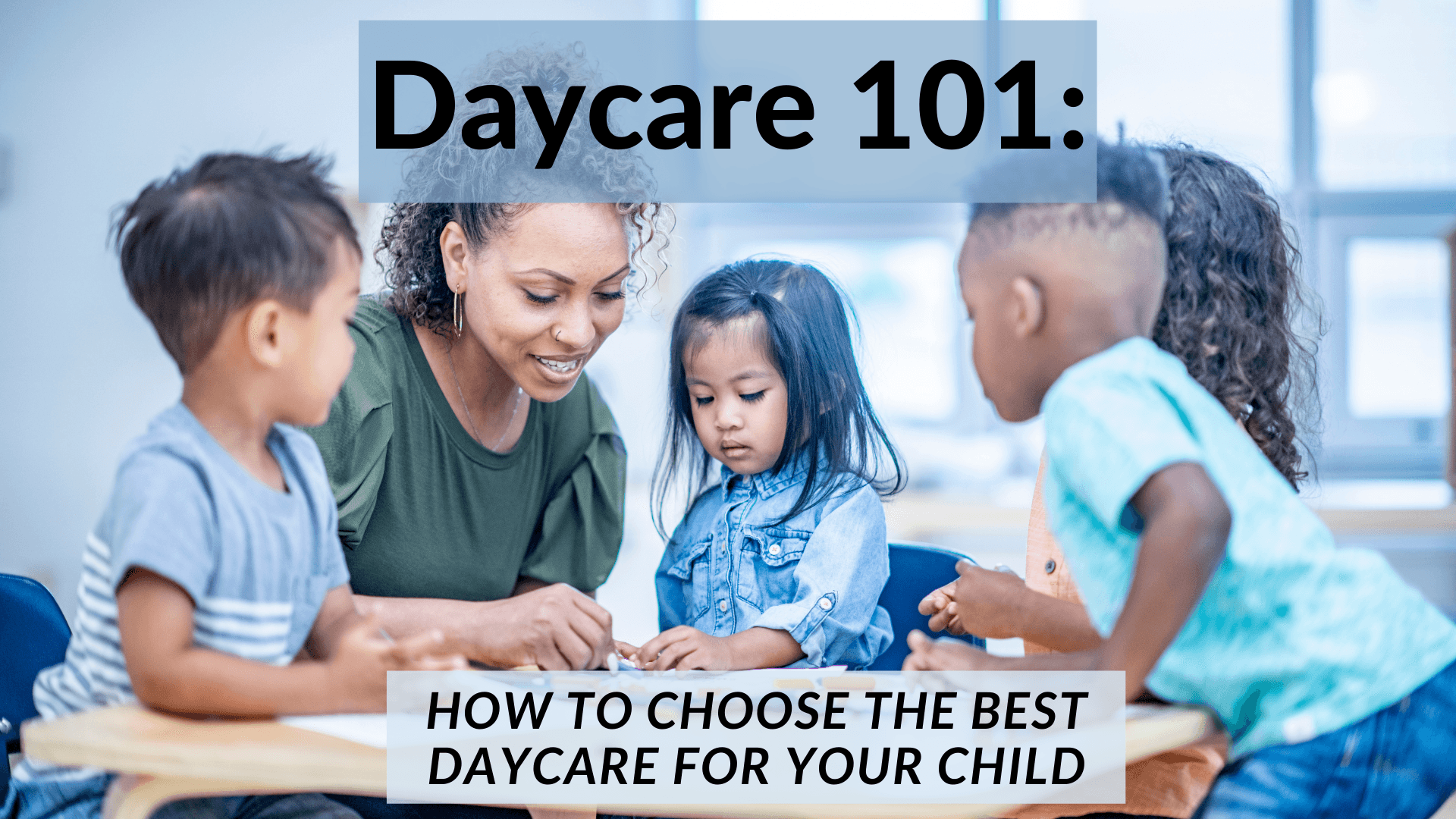
Choosing quality childcare is a deeply personal decision, shaped by each family’s values and priorities. While preferences may differ, most parents share the same core goal: finding a safe, nurturing environment where their child feels protected, valued, and supported. High-quality childcare should promote children’s physical, emotional, and intellectual development, while being staffed by professionals who are qualified, patient, and genuinely passionate about working with children. Asking the right questions can help parents make an informed decision and feel confident in their choice. -Key Questions to Ask When Choosing Childcare 1) Is the centre licensed? Licensing information should be clearly displayed, often on a parent information board or included in the parent handbook. During a tour, ask when the most recent inspections were completed, including Public Health, Ministry of Education, fire safety, playground inspections, and water lead testing. This information should be readily available. 2) How is food handled, including allergies and anaphylaxis? Ask about the menu, how allergies are managed, and what procedures are in place to prevent cross-contamination. 3) How often is the centre cleaned? Find out how frequently cleaning occurs and whether a third-party cleaning company supports facility hygiene. 4) What are the educators’ qualifications and training? Ask about staff education, certifications, and ongoing professional development. It is also important to know how the centre supports educators’ well-being and self-regulation. 5) What are the teacher-to-child ratios? Appropriate ratios are essential for safety, supervision, and meaningful interaction. 6) What is the discipline policy? Understanding how behavior is guided helps ensure it aligns with your parenting values. 7) How does the centre communicate with parents? Ask how updates are shared and how often parents receive information about their child’s day. 8) What are the centre’s policies and childcare philosophy? This includes learning approaches, daily routines, and overall values. 9) How are children and families supported during transitions? Transitioning into childcare can be challenging, and strong support systems are important. 10) How is children’s progress or daily needs communicated? Daily reports, apps, or conversations can help families stay informed. 11) What is the sick-day policy? Clear guidelines protect both children and staff. 12) What are the fee and cancellation policies? Understanding financial commitments upfront prevents misunderstandings later. 13) How are parental concerns handled? Ask about the process for raising and resolving concerns. 14) What makes the centre unique? This can offer insight into the program’s strengths. 15) Do they support toilet training and picky eaters? Ask how individual developmental needs are handled. 16) Where do children nap, and how is rest supported? Find out what happens if a child has difficulty falling asleep. 17) What practices are used to prevent bullying? Early social guidance is an important part of a healthy childcare environment. 18) How is building security managed? Ask about secure doors and who has access to the facility. - When to Start Looking for Childcare It is generally recommended to begin your search at least four months before your desired start date. Many families begin six months to a year in advance, especially in areas with high demand. Allowing extra time reduces stress and gives you space to compare options carefully. - When to Start Childcare The timing of starting childcare is a personal decision. For parents returning to work after maternity leave, beginning the transition about one month before returning to work is often helpful. Starting with part-time attendance for the first few weeks allows both the child and parents to adjust gradually. Moving to the full work schedule in the final week can make the transition smoother. For older children who will begin childcare before the arrival of a new sibling, starting the transition about three months before the baby is born can be beneficial. Gradual increases in attendance help children adapt positively and build comfort in their new environment. Taking the time to plan, ask thoughtful questions, and transition gradually can make a meaningful difference in your childcare experience and your child’s well-being.
Related Blogs

Why Home-Based Childcare Agencies Are Emerging as a Serious Business Opportunity in Canada
calendar_monthJan 22, 2026

Understanding Intelligence in Early Childhood: A Multidimensional Developmental Perspective
calendar_monthJan 27, 2026

Fairness The Difference Between Boys and Girls
calendar_monthJan 27, 2026

The Power of Assertive Parenting: Building Emotional Connection and Setting Boundaries
calendar_monthJan 27, 2026